
Pular para o conteúdo
Docs
  • Ticket no Helpdesk

Sales

4
  • How to check which seller is associated with an order?
  • How to Export Invoices in PDF
  • Post-Sale Email Configuration
  • How to Recreate a Child Order ?

Catalog

22
  • Sales region setup
  • How to create a virtual product ?
  • How to Add Related Products to Your Listing
  • How to Add an Attribute Inside an Attribute Group
  • How to Create Custom Options in Products
  • How to Create an Attribute Group
  • How to Create a Default Attribute on the Platform
  • How to Add or Edit Attribute Options in Your Catalog
  • How to Select Attributes for Products
  • How to Activate a Product for Sale in the Multiseller Model
  • How to Change Product Visibility in the Marketplace
  • How to Add Additional Days to Shipping
  • How to Remove a Category from the Filter Listing
  • Seal Configuration on the Website
  • How to Update Attributes in Bulk Through the Admin Panel
  • How to Add or Remove the Minimum Sales Quantity of a Product
  • How to create a grouped product?
  • How to create a simple product ?
  • Categories
    • How to Create a Carousel Product Grid on the Homepage?
    • How to Change the Name of a Category?
    • How to Include a Custom Description in Categories
    • How to Change the Order of Products in Categories

Promotions

7
  • How to Create and Configure Promotion Rules with Free Gifts
  • Discount Configuration for MultiSeller Marketplace (Original to Sale Price Model)
  • How to Create a Discount Coupon?
  • How to Create a Discount Rule Without a Coupon ?
  • Discount Rule Templates
  • Abandoned Cart Creation and Configuration
  • How to Create a Discount Coupon for an Abandoned Cart

Content

8
  • How to Create a Grouped Product?
  • How to Add Recipients to Forms
  • HOW TO CONFIGURE BLOG PRO
  • How to verify received forms
  • How to Create an Email Template with a Coupon for an Abandoned Cart
  • How to Change Field Requirements in Forms on the Platform
  • How to Change Home Page Banners
  • How to Check Received Forms

Seo/Marketing

1
  • How the Synonyms Feature Works in SEO

Marketplace

3
  • How to Allow or Restrict Purchases from Multiple Sellers in the Same Cart
  • How to Create, Disable, or Delete an Address in the Store Locator of the Soul Marketplace ?
  • Identifying the Seller Associated with an Order

Communications

2
  • How do I enable or disable comments on products?
  • How to enable the WhatsApp button

Reports

5
  • Adding Variables and Parent Order Fields to the Report
  • How to view the approved orders report
  • How to View the Abandoned Cart Report ?
  • How to View the Most Viewed Products Report
  • How to View the Best-Selling Products Report

System

6
  • How to check the records of new updates or improvements to the Marketplace?
  • How to Register Error Logs for Order Creation Attempts
  • How to Enable the Vertical Layout in Checkout
  • Display quote-only products only after priced products
  • How to Create an Administrative API User
  • New Tax Amount Display Feature

Seller Dashboard

5
  • How to Log in as a Reseller?
  • How to approve or disapprove a seller profile
  • Activating or Deactivating a Seller’s Store
  • New free shipping configuration in the reseller pane
  • How to change the free shipping field of the product via spreadsheet?

First Steps

1
  • How to Set Up Google Two-Factor Authentication
Ver categorias

Activating or Deactivating a Seller’s Store

1 minutos de leitura

As a Marketplace administrator, you can deactivate a seller’s store whenever necessary. When a store is deactivated, the seller will no longer appear as one of the available options in the seller selection grid within product pages.

Typically, a store is deactivated when:

  • The seller needs to take a temporary leave;
  • The seller will no longer be part of the marketplace due to contract non-renewal;
  • You want to keep the store deactivated for testing purposes.

If a seller needs to configure their profile or shipping methods, test an integration with an ERP system, or run tests in the seller dashboard, you can keep their profile in staging mode while the store is deactivated.

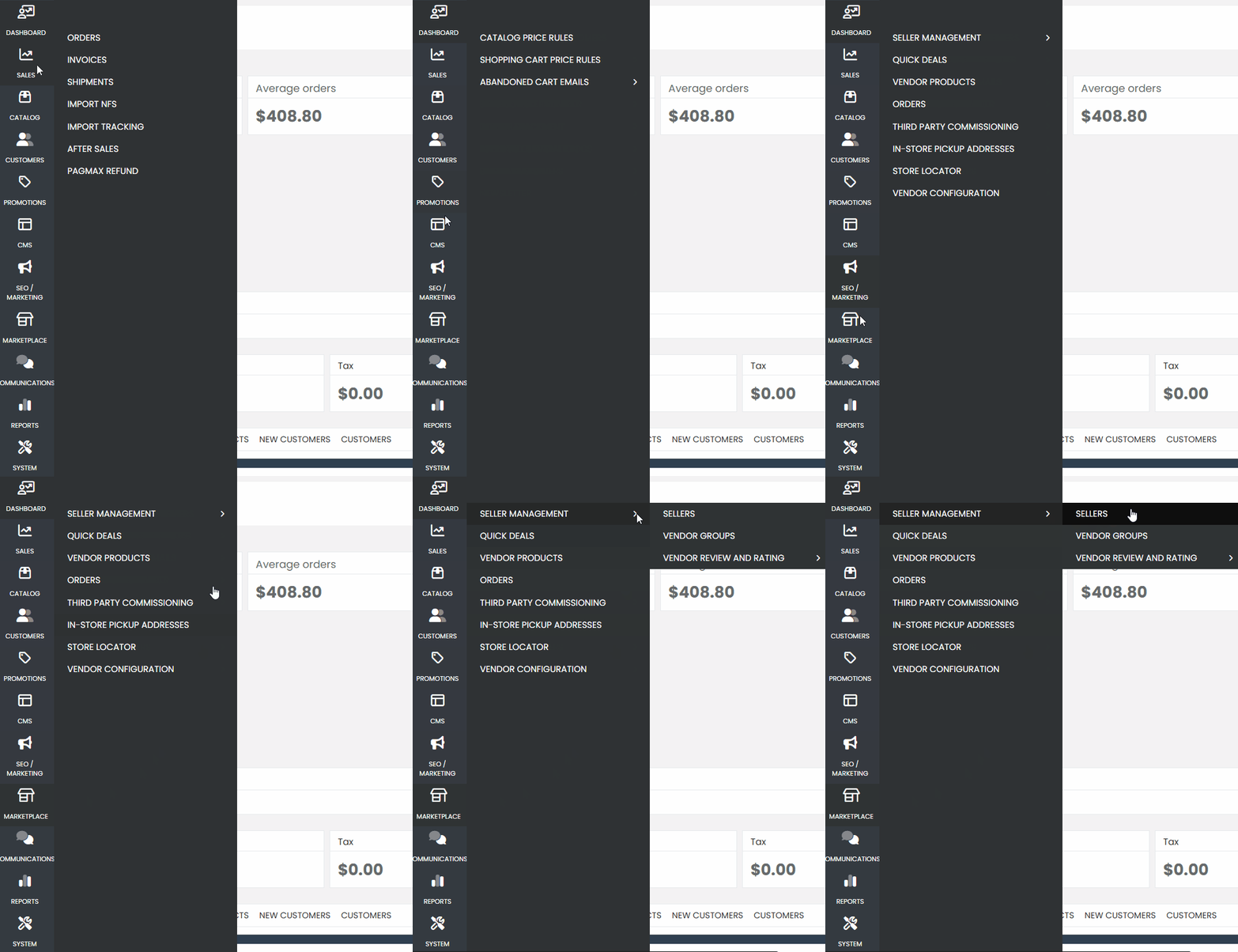
To deactivate a seller’s store, first access your admin panel and navigate through the sidebar menu to the “Marketplace” section. Then, in the submenu that appears, select “Seller Management”, and click on “Sellers” to open the list of all sellers registered on the platform.
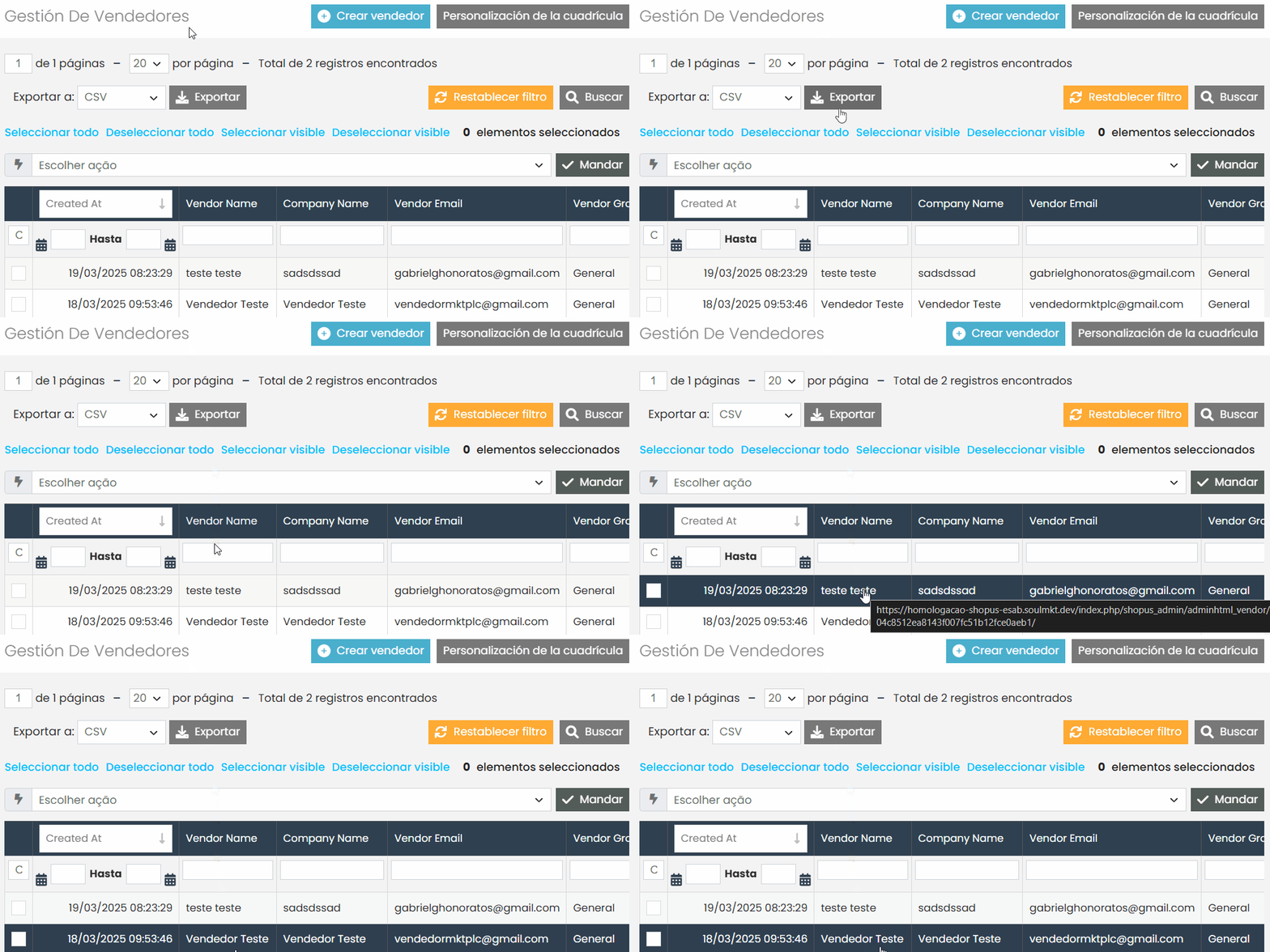
From the list of sellers, choose the one whose store you want to deactivate and click on it to open the seller’s settings.
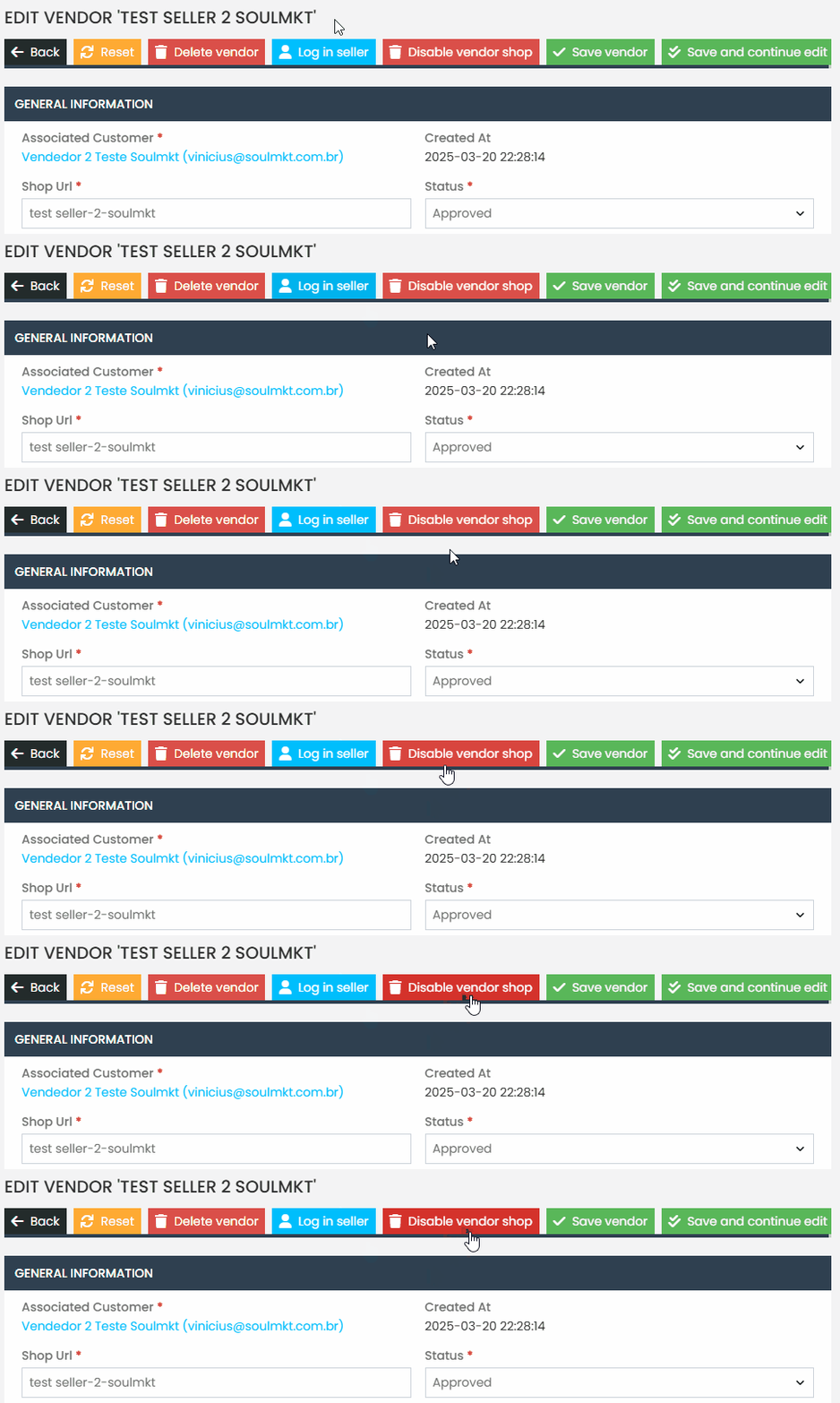
Next, click the “Deactivate Seller’s Store” button located in the upper corner, represented by a trash can icon.
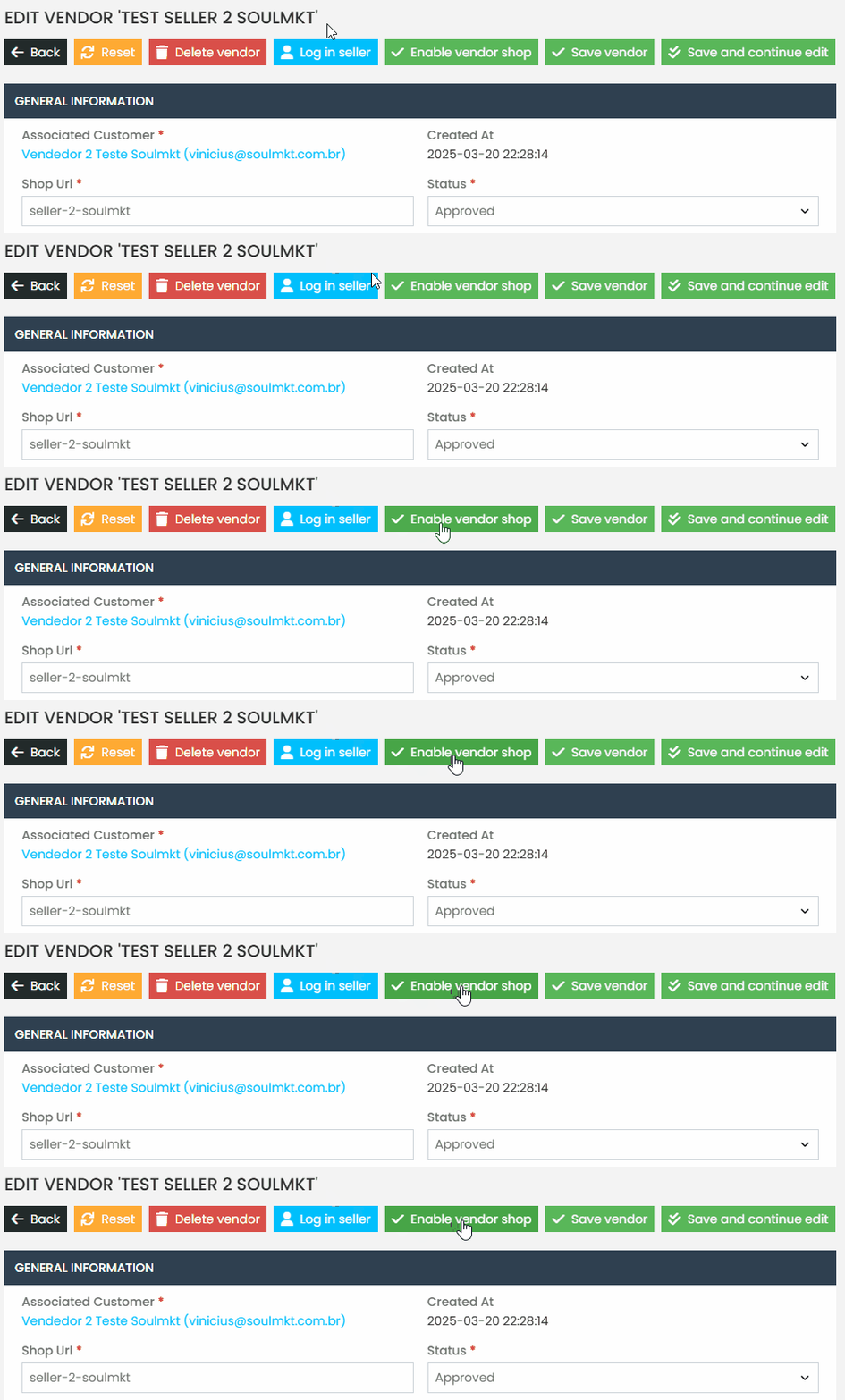
After completing this process, the seller will still be able to access their dashboard and perform the necessary configurations and tests. However, they will no longer appear as one of the available seller options for customers.Keep in mind that while the store is deactivated, the seller is not eligible to sell on the platform.If you need to make this seller available again as an option within the product pages, remember to reactivate the seller’s store by following the same steps. Note that the button’s color and label will now be updated to indicate that clicking it will enable the seller’s store again.
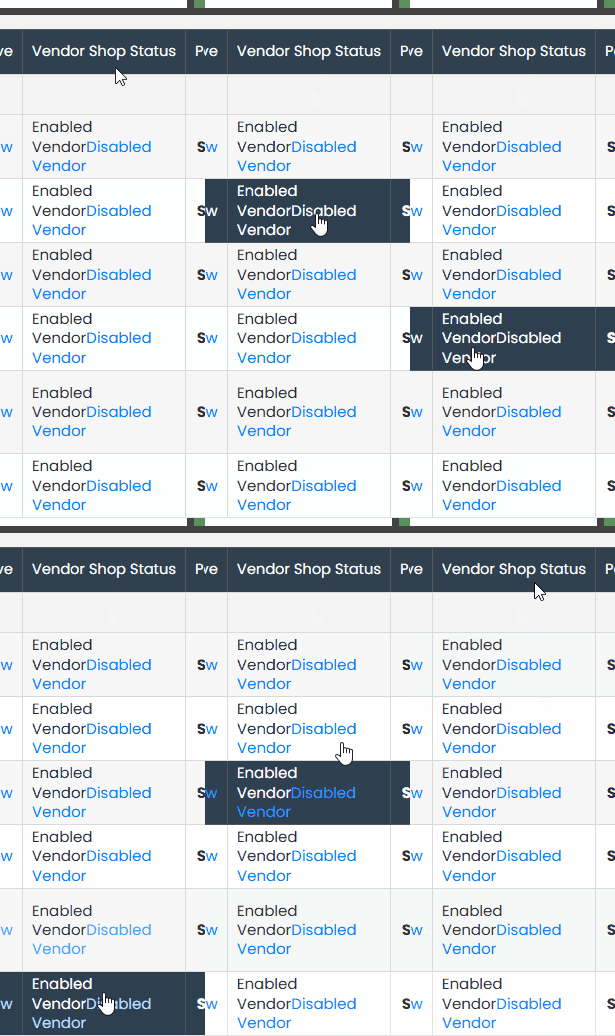
If you have trouble remembering which seller is deactivated, you can check this information in the “Seller Store Status” column in the sellers grid. This column indicates whether the store is deactivated or activated. Additionally, you can deactivate or activate the seller’s store directly from this column by clicking “Disable” if the store is currently enabled, or “Enable” if the store is currently disabled..
By following this documentation, you’ll be able to deactivate your seller’s store without any issues. If you encounter any difficulties during the process, feel free to contact our support team. We’re here to help!

Quais são seus sentimentos
Atualizado em 11 de junho de 2025
How to approve or disapprove a seller profileNew free shipping configuration in the reseller pane
© 2026 Docs • Built with GeneratePress